Under the Heat Dome: The Hidden Toll of Extreme Heat on Air Quality and Public Health

While exploring The New York Times this week, I came across a compelling article in the Climate Forward series titled "How Heat Waves Can Worsen Air Quality" by Christina Kelso. The piece sheds light on the growing concern among scientists about the dangerous relationship between rising temperatures and declining air quality, an issue that is becoming increasingly urgent in the face of climate change.
Heat and air pollution combined present several unwanted health and bodily risks—extreme heat stresses the body, and polluted air does the same. Together, they compound risks, especially for kids, seniors, pregnant people, and anyone with asthma or heart issues.
Why Heat Waves Trap Polluted Air
High‑pressure “heat domes” act similarly to giant lids, holding hot, stagnant air (and tail‑pipe/industrial emissions) in place. Sun‑baked ozone forms faster, and pollution levels climb day after day. Climate‑charged wildfires are sending PM 2.5 particles thousands of miles, stacking particle pollution on top of urban smog. If we recall, two years ago in 2023, Canada's smoke haze reached Europe and affected several areas of the United States as well.
Policy Rollbacks Aren't Helping
The article flags growing concern among experts over recent federal policy rollbacks that weaken long-standing clean air protections. Under the Trump administration, regulatory safeguards aimed at limiting pollution from vehicles, power plants, and industrial sources have been reversed or scaled back. Scientists warn that these decisions risk exacerbating both extreme heat and air pollution, two crises that are increasingly intertwined. Without strong regulatory frameworks in place, emissions of heat-trapping greenhouse gases and harmful pollutants like ground-level ozone and fine particulate matter are likely to rise, further degrading air quality and accelerating the pace of climate change. These policy shifts, experts argue, move the country in the wrong direction at a time when urgent climate and public health action is needed.
Who Bears the Brunt
The burden of poor air quality is not evenly shared. According to the article, nearly half of all Americans live in areas with unhealthy levels of air pollution, but the impact is disproportionately felt by communities of color and low-income neighborhoods. These communities are often located near major pollution sources such as highways, industrial facilities, and power plants, a result of decades of discriminatory policies like redlining and underinvestment in infrastructure. As a result, residents in these areas are more likely to suffer from asthma, heart disease, and other pollution-related health issues.
Protection Tips
Ensure that you check the daily AQI (air quality index), limit outdoor exercise on "Code Orange/Red" days, wear an N95 protective mask for heavy smoke, close windows if you can keep indoor temperatures safe, and use a HEPA purifier where possible.
As heat waves become more intense and air quality continues to decline, it’s clear that climate change is a reality affecting millions. Understanding the connections between extreme heat, pollution, and public health is the first step toward meaningful action. Whether through informed advocacy, policy change, or everyday choices, we all have a role to play in protecting our planet and the people who call it home.
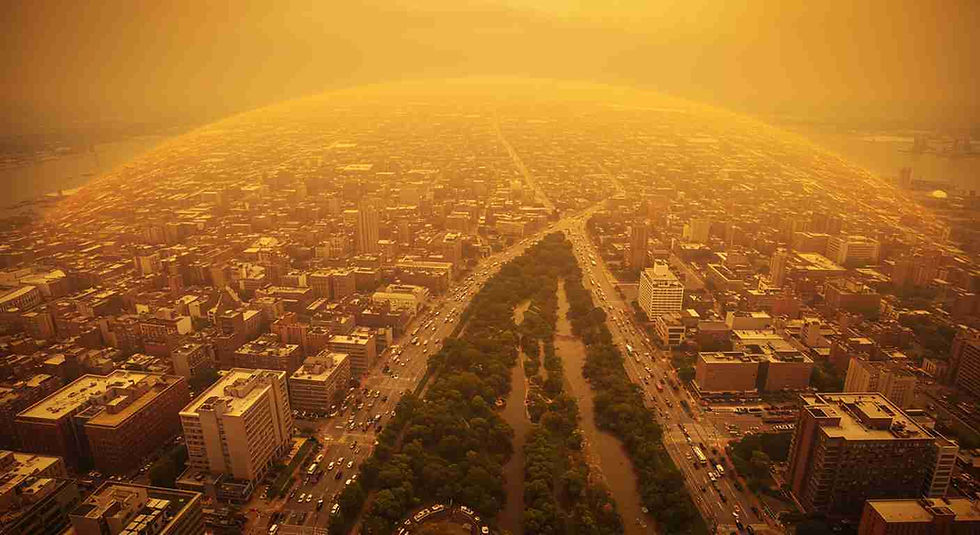
A heat dome traps hot air over a city, intensifying temperatures and worsening air pollution. These stagnant systems are becoming more frequent and dangerous as the climate warms.


https://soicaulodechuan.mobi/giai-ma-so-hoc có cái mục lục đánh số ngay đầu bài nhìn khá dễ nắm ý ha. Mình hay đọc kiểu lướt trước một vòng, thấy đoạn nào cần thì mới đọc kỹ, chứ gặp nguyên bài dài liền tù tì là hơi ngại. Ở đây nhìn tên các mục là biết bên dưới nói về gì, không phải vừa kéo vừa đoán xem đã tới phần mình tìm chưa. Cũng thích là kết quả xổ số miền Bắc hôm qua có chỗ riêng, đọc đỡ bị lẫn với những đoạn bàn về số. Mình chưa nói tới nội dung nhận định đúng sai thế nào nhé, chỉ thấy cách chia bài này hợp với người ít kiên nhẫn như mình…
GG88 có đáng để mình lướt qua vài phút không? Có, kiểu “được đấy” theo cách hơi buồn cười là mình vào chỉ định xem bố cục có rối không mà cuối cùng lại ngồi đọc đoạn giới thiệu lâu hơn dự tính vì họ viết về tiêu chuẩn vận hành với bảo mật nghe khá chỉnh chu, ít nhất là không kiểu nói cho có. Giao diện nhìn hiện đại. Chữ không bị dí sát nhau. Kéo xuống cũng nhẹ nhàng, không cảm giác bị nhét cả đống thông tin vào mặt. Menu để chỗ dễ thấy nên chuyển qua lại nhanh, khỏi phải đoán xem nút nằm ở đâu. Mấy khối nội dung tách bạch rõ ràng, và…
du doan xsmb đang nói tới mốc ngày 3 9 2026 nên mình ghé xem thử cách họ trình bày thôi, không phải kiểu vào là bị ngợp chữ ngay; tiêu đề “Soi cầu MB ngày 3 9 2026” để lớn, nhìn phát biết đúng bài theo ngày, khỏi phải lục nhiều, kéo xuống là thấy phần dự đoán XSMB hôm nay được chia thành mấy khối ngắn, mỗi khối tách ý rõ nên đọc lướt cũng nắm được; mình hay xem trên điện thoại nên đánh giá cao chỗ họ không nhồi quá nhiều đoạn dài liền tù tì, cảm giác đỡ mỏi mắt; nói chung nếu chỉ cần xem nhanh cho đúng ngày thì ổn, vì mấy heading…
kèo nhà cái mình thấy bạn bè nhắc suốt nên cũng bấm vào nghía thử cho biết. Mình không đọc kỹ nội dung đâu, chỉ lướt qua xem trang họ làm có dễ nhìn không. Ấn tượng ban đầu là giao diện khá sáng sủa, khoảng cách giữa các phần vừa đủ nên kéo xuống không bị rối. Mấy khối thông tin được chia tách rõ ràng, nhìn cái là biết đang ở đoạn nào chứ không bị dính chùm vào nhau. Mình cũng để ý thanh menu đặt ngay chỗ dễ thấy nên đổi qua lại mấy mục khá nhanh, không phải mò mẫm. Nói chung kiểu trình bày gọn gàng, nhất là cách họ để menu điều hướng…
Bài viết dễ đọc và có nhiều chi tiết thú vị, cảm ơn bạn đã chia sẻ. Đoạn bạn nói về việc mở thêm văn phòng và chỗ quay motion capture đúng cái mình đang thắc mắc bấy lâu. Mình thì hay theo dõi thống kê XSMB mỗi ngày nên tự gom dữ liệu lại thành một trang cho tiện tra cứu. Ai cần xem cập nhật theo ngày thì ghé http://www.askmap.net/location/7882248/vietnam/soicauxsmbpro